Capabilities

Integrating advanced biomanufacturing, robotics and AI.

Through our collaborative multi-institutional pipeline, we provide reliable production, analysis and testing of organoids for application in disease modelling, regenerative medicine and drug discovery.

organoid culture
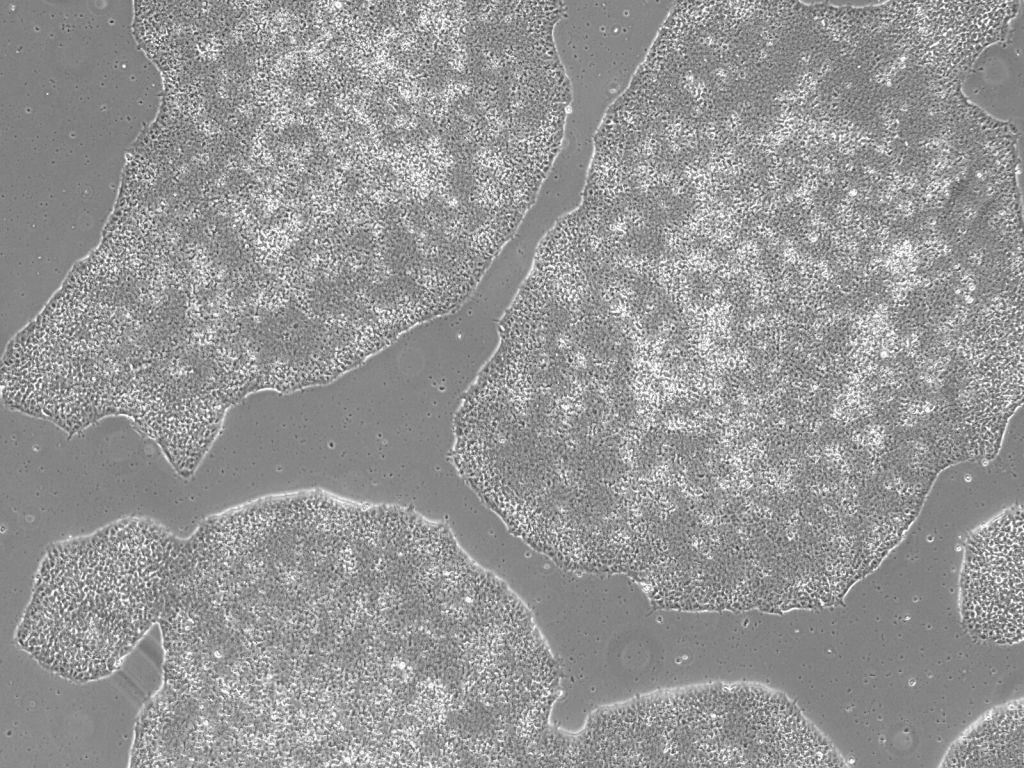
Utilising the latest equipment available globally, we provide standardised protocols to generate, expand, characterise and validate 3D cultures from primary tissue samples.

Cerebral

Cerebral Organoids can be generated from pluripotent stem cells following various protocols and kits. The organoids we provide are produced using the STEMCell Technologies Cerebral Organoids Kit, following the Lancaster, et al 2013 protocol for differentiation of cerebral organoids.

Cerebral Organoids feature self-organised neural organoids that contain cortical-like regions with the cellular composition and structural organisation representative of the developing human brain.

These organoids can be generated from commercially available iPSCs as well as hESCs and patient-derived stem cells to model specific genetic backgrounds.

Branching Lung

Branching Lung Organoids are 3D structures derived from stem cells and used to study lung development and disease in vitro.

We generate organoids using a reproducible kit from STEMCell Technologies which can be further used by researchers to model infectious diseases (e.g., covid, RSV and measles) and other lung diseases, as well as being used to screen and test therapeutics.

Intestinal

Intestinal organoids are 3D models derived from stem cells, replicating the structure and tissue function. These organoids are valuable for studying digestion, disease mechanisms, and drug testing.

Culture protocol automation

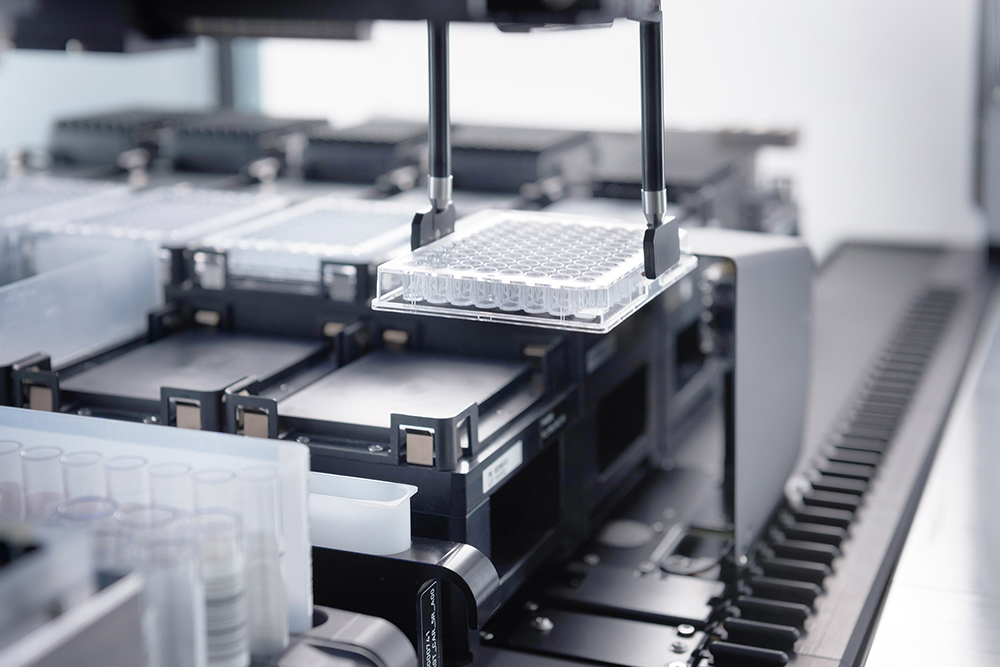
To enhance the scalability and reproducibility of organoids, our Centre utilises the CellXpress.ai; an automated cell culture system that contains an incubator, imager, and liquid handler to standardise advanced in vitro tissue culture processes.

This equipment automates seeding, feeding and monitoring, driven by AI-driven decision making and passaging to deliver consistent, unbiased, and biologically relevant results at scale. 

Functional analysis
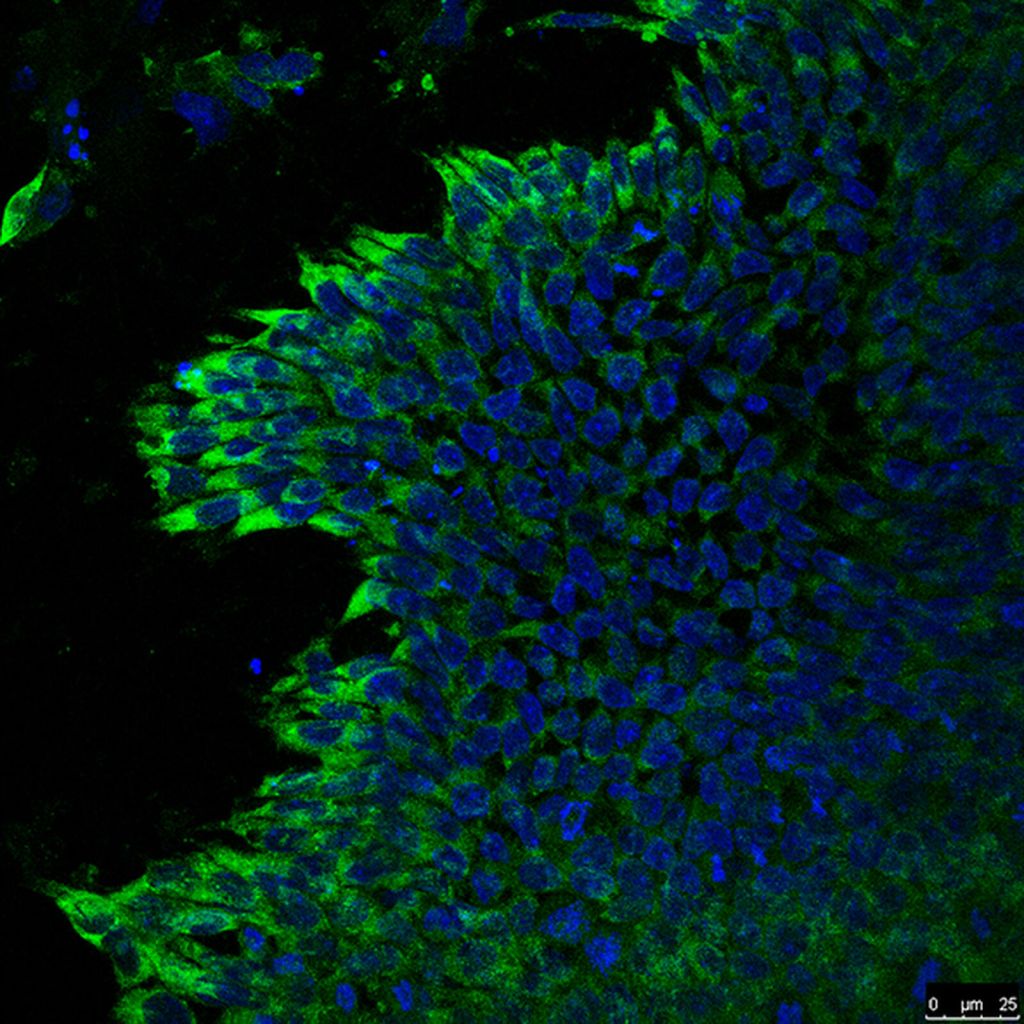
We offer functional analysis to assess excitable cell functions in brain organoids. Utilising a high throughput state-of-the-art micro electrode array (MEA) technology, we can capture key parameters of neural network function, including activity (neuronal functionality), synchrony (synapses formation) and oscillation (network functionality).

Axion Biosystem Maestro Pro MEA 

Easy to operate, multiplex system (6,24,48, and 96 well MEA plates format) in a temperature and CO2 controlled environment.  Our system enables the control of cellular activity using:

  • Light pulses, using the Lumos optical stimulation system
  • Electrical stimulation